
BLUEPRINT OF LIFE GOAL ALIGNMENT


The 4th edition of *IDFC FIRST Bank presents Outlook Money 40 After 40* returns as India’s largest financial and retirement planning expo, redefining what it means to retire right. Building on three successful editions that brought together over 10,000 professionals and experts, this year’s event in Mumbai (February 2026) goes further—focusing on customization and holistic readiness for life after 40.
With increasing longevity, retirement isn’t just about savings; it’s about planning for 20–30 years of financial fitness, healthy ageing, emotional resilience, and purpose. Powered by Integrated’s expertise and IDFC FIRST Bank’s vision, *40 After 40* is now a nationwide movement, empowering individuals to design a future that’s not just secure, but truly meaningful.
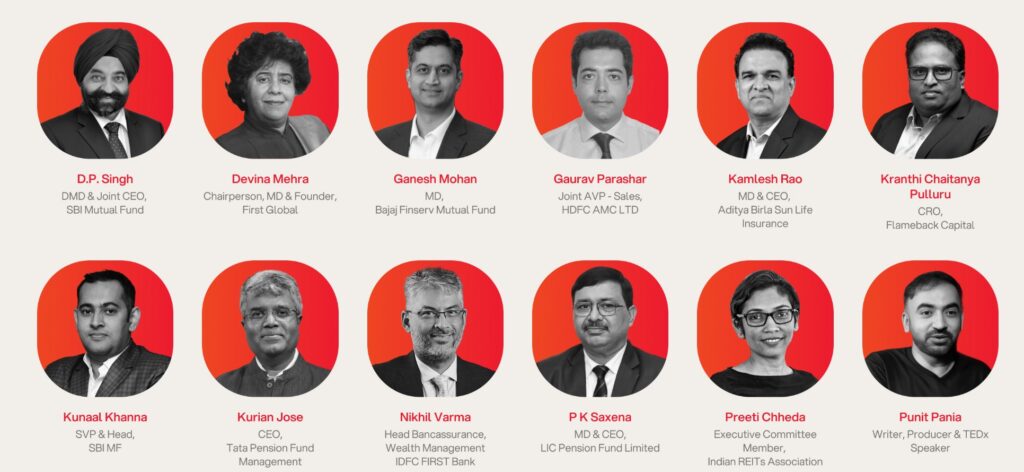
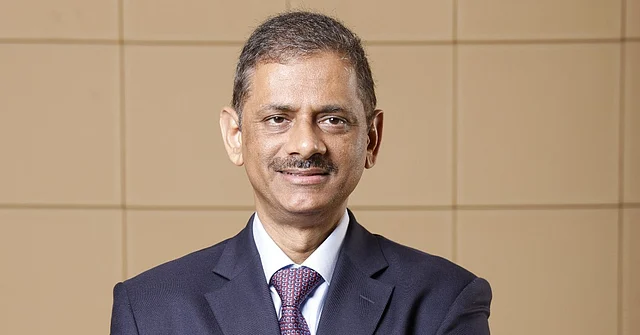
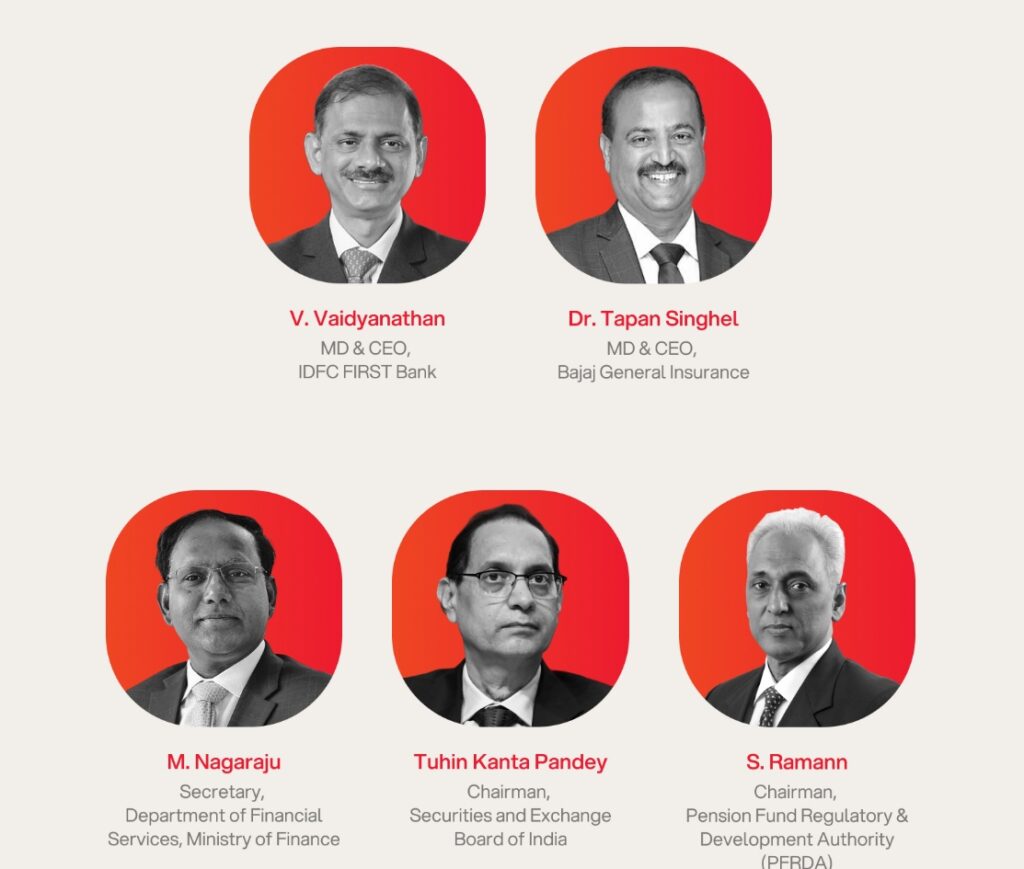
Vaidyanathan, MD & CEO of IDFC FIRST Bank, will take the stage at *40 After 40* to deliver the Theme Address titled “The Retirement Blueprint: Plan. Save. Live.” In this pivotal session, he spotlighted the essentials of long-term financial security in today’s evolving economy. From disciplined saving to aligning money decisions with life goals, he’ll emphasize that retirement readiness isn’t a last-minute fix—it’s a lifelong journey. As banking and wealth creation shift, his vision centers on responsible finance, customer-first solutions, and sustainable planning to empower every individual to retire with confidence and purpose.
“I really believe that an individual can never do all this algorithmic work which an AI tool can do. The AI works on things which an individual just cannot do. So, providing these tools is what IDFC is bringing to the consumers. Because they don’t know how much to invest to get what in life, this is an important question. It’s got math, and people often miss it. So we, at IDFC First Bank, have put this thing for customers here.”
V. Vaidyanathan, MD & CEO of IDFC First Bank, emphasized using AI-driven, algorithmic tools for personalized retirement planning, highlighting that small, disciplined, and consistent contributions are key to building long-term wealth. He further noted that awareness, affordability, and consistent action are the pillars of financial security, with IDFC FIRST Bank offering these tools to aid consumers in managing their planning. Read the full story at Outlook Money.
“What IDFC has done in the background is super important. It has gone to every single mutual fund of the country, identified what the companies are inside that fund and then done public research and found out what the one-year forward view of those underlying companies is. The bank will select the funds for the customer based on these things. If the customer says no, I want to be a conservative investor, then the system will run an algorithm, and the funds will change.”
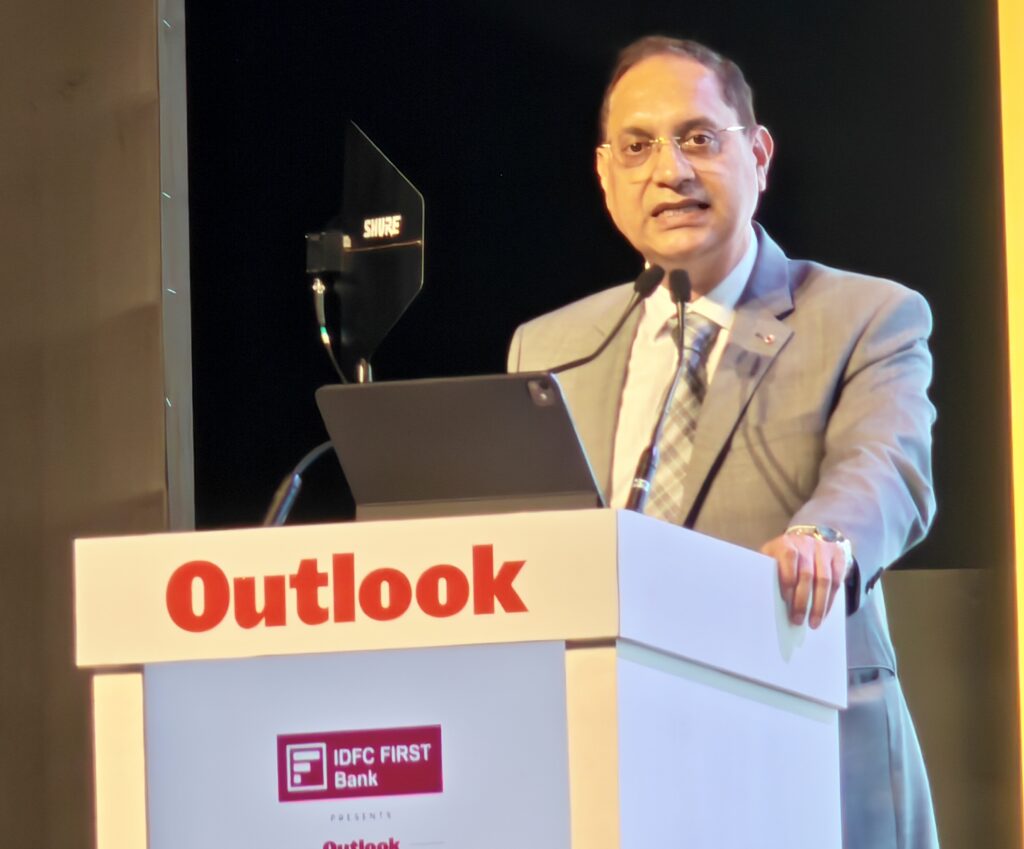
Addressing the Outlook Money 40 After 40 Expo in February 2026, SEBI Chairman Tuhin Kanta Pandey stated that the future of India’s securities markets will be defined by analytical quality, rigorous research, and policy foresight rather than just technology and capital flows. He emphasized a shift towards structural sophistication and highlighted the need for interdisciplinary collaboration between regulators, academia, and the industry to navigate evolving market complexities.
SEBI Chairman Tuhin Kanta Pandey emphasized that India’s securities markets have transitioned from “scale to sophistication,” meaning future growth will depend on rigorous analytical research and policy foresight rather than just capital inflows and technology.
Exponential Market Growth & Structural Shifts-
Surging Market Capitalization: Total market cap skyrocketed from ₹100 trillion in FY15 to over ₹470 trillion.
Deepening Corporate Bonds: The bond market expanded at a 12% CAGR since FY15, reaching nearly ₹58 trillion by late 2025.
Democratized Investor Base: Unique investors surged to 140 million from 38 million in March 2019.
Skyrocketing Mutual Funds: Industry AUM grew from ₹12 trillion in FY16 to ₹81 trillion by January 2026.
Expanding AIF Space: Alternative Investment Funds scaled from ₹0.20 trillion in FY16 to over ₹6.50 trillion by December 2025.
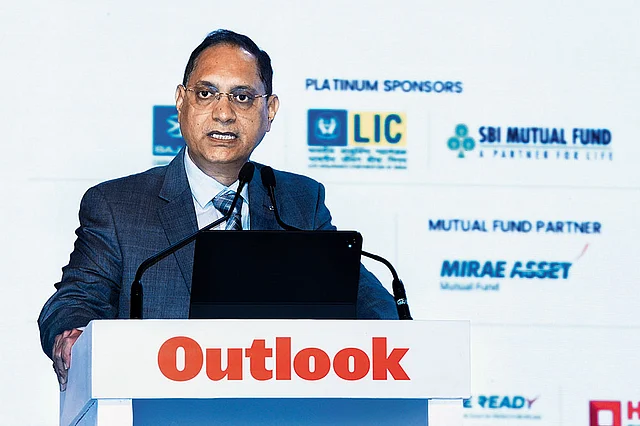
SEBI Chairman Tuhin Kanta Pandey highlighted a critical shift toward an interdisciplinary research framework required to handle the escalating complexity of India’s capital markets. He emphasized that future market resilience depends on pioneering India-specific behavioral finance research and evaluating real-world policies through sandbox evaluations and pilot studies. By breaking down traditional academic silos, this new agenda mandates a fluid integration of finance, law, data science, and behavioral economics to ensure regulatory frameworks adapt dynamically to changing investor behaviors.
Concurrently, the rapid digitization of market infrastructure demands a balanced approach that leverages advanced technological gains without sacrificing structural safety. While artificial intelligence and data analytics are actively deployed to enhance surveillance systems and intercept fraud, they simultaneously introduce severe vulnerabilities, such as algorithmic trading loops that can amplify errors at catastrophic speeds. To mitigate these systemic risks, SEBI is repositioning market data as a public good, enforcing mandatory data-sharing policies across clearing corporations and depositories to empower independent research and safeguard the broader financial ecosystem.
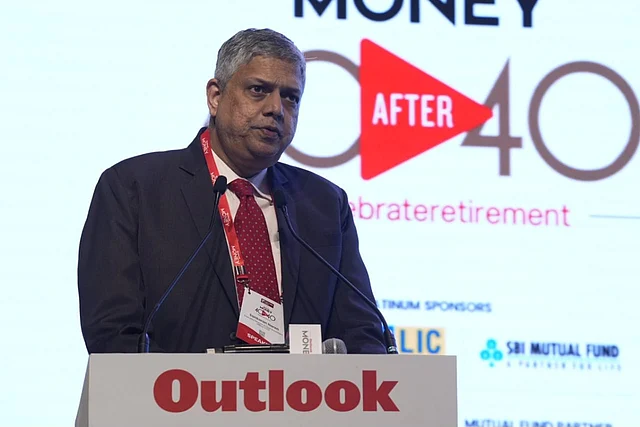
At the 2026 Outlook Money 40 After 40 event, Sankaran Naren, Executive Director and CIO of ICICI Prudential AMC, delivered a presentation titled “Value Investing Opportunities in Volatile Markets”.
The “Anti-Value” signal occurs when an asset class attracts excessive capital inflows, serving as a reliable indicator that the sector has become unsustainably overvalued. Historically, massive surges in assets under management (AUM)—such as the infrastructure boom in 2007 or the small- and mid-cap rally up to 2017—have consistently heralded steep performance downturns. This counter-intuitive trend is vividly illustrated in early 2026 by gold and silver ETFs, which witnessed massive capital inflows despite trading at decade-high prices, heavily outperforming equity inflows for the first time. True value investing requires a contrarian mindset: actively resisting the temptation to join crowded, costly market trends and instead focusing on unloved, unpopular asset classes that major capital is actively avoiding.
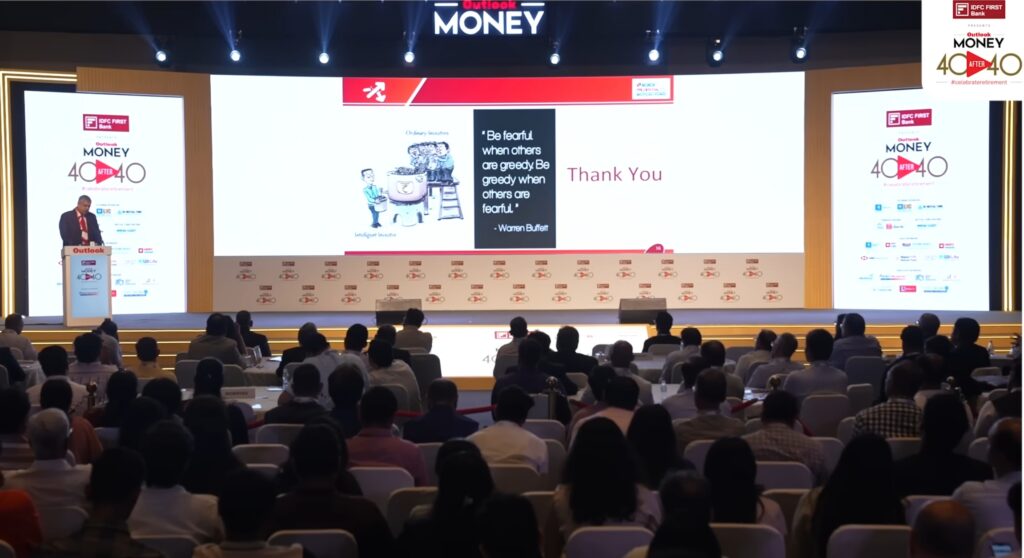
Parallelly, investors face uncomfortable truths regarding debt management and its severe psychological barriers, as people routinely delay addressing high-interest liabilities like lifestyle borrowing, personal loans, and credit card balances. Recent Reserve Bank of India data reveals that one in two middle-class Indians is indebted, with individuals often juggling multiple small loans to cycle payments from one to another. While taking out a mortgage for an asset can be acceptable, sustaining costly personal loans while simultaneously trying to invest severely erodes wealth. Failing to proactively eliminate these consumer debts early in life drains up to 40% of household income purely into EMI cycles, which fundamentally cripples long-term wealth creation and compromises retirement planning.
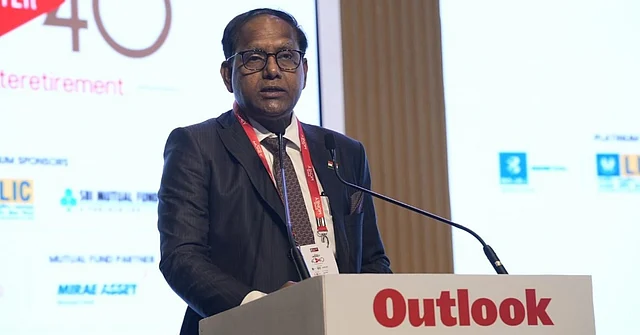
M. Nagaraju emphasized that early financial planning is essential for long-term independence and achieving a “Viksit Bharat,” highlighting that India’s pension assets, at 5% of GDP, are low compared to developed nations. As life expectancy increases and traditional support systems evolve, he urged prioritizing retirement planning to avoid dependency on families or society.
To address the coverage gap, the Ministry of Finance is focusing on expanding the safety net by transitioning informal sector workers into formal systems like the National Pension System (NPS) and Atal Pension Yojana (APY). The government aims to foster a resilient financial ecosystem by strengthening infrastructure and promoting a cultural shift toward individual savings and financial literacy.
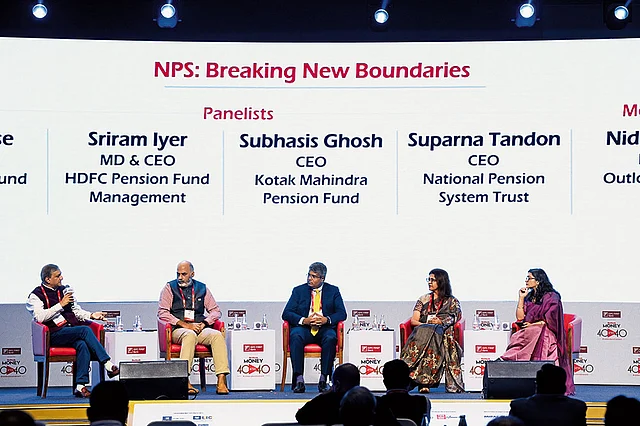
Subhasis Ghosh (MD & CEO, Kotak Mahindra Pension Fund)
Subhasis Ghosh emphasized that structural discipline is vital for retirement planning, defending a balanced entry and exit barrier to prevent users from diluting their long-term saving potential. He highlighted that annuities are crucial because they mitigate longevity risks by providing a guaranteed income rate for up to 30 years or more, extending even to spouses—a benefit short-term options like fixed bank deposits cannot match. Addressing younger generations seeking instant gratification, he argued that a 15-year investment period functions effectively as a reasonable entry gateway to demonstrate the power of compounding without forcing a daunting 25-to-35-year locked commitment upfront. Furthermore, he noted that the recent integration of alternative assets (like REITs, gold, and silver ETFs) into the mainstream Equity Scheme E is a proactive, gradual journey capped at 5% for non-government sectors to prudently diversify portfolios without disrupting their core equity architecture.
Sriram Iyer (MD & CEO, HDFC Pension Fund Management)
Sriram Iyer observed that while the National Pension System (NPS) has transformed its specific features to introduce immense flexibility, it retains its core form as a dedicated retirement-focused tool. He noted that the platform has successfully evolved to match global standards by incorporating diverse risk budgets—ranging from conservative setups to aggressive 100% equity participations—making it attractive to a much broader demographic, including individuals adhering to the FIRE (Financial Independence, Retire Early) movement. Iyer passionately highlighted the Multi-Scheme Framework (MSF) as a revolutionary, futuristic vehicle that allows pension funds to package unique asset strategies and create standalone, tailored schemes. To illustrate its market-expanding capability, he shared that HDFC Pension utilized MSF to tie up with Zomato, successfully bringing over 100,000 gig economy delivery partners into the formal pension net through micro-contributions of just 100 to 400 rupees a week.
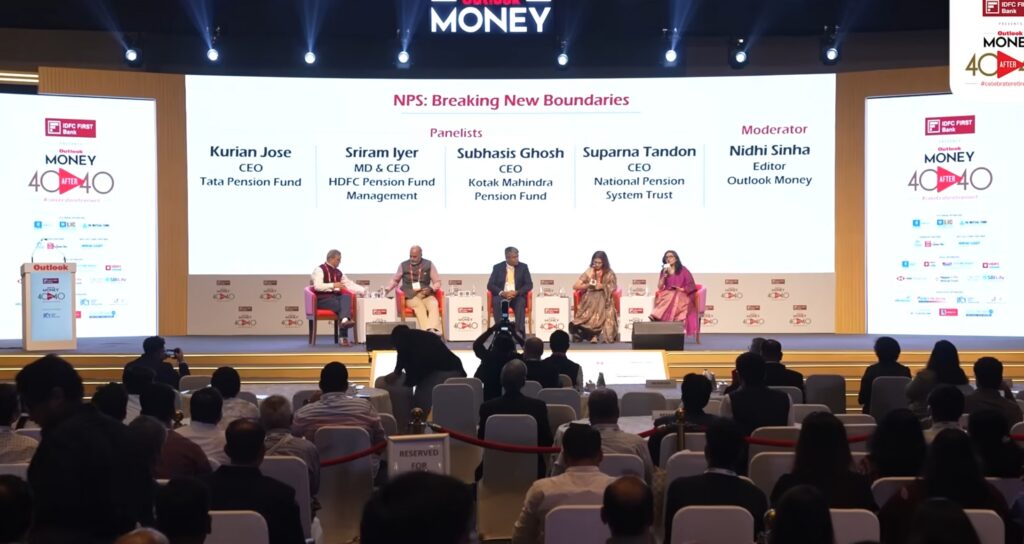
Kurian Jose (CEO, Tata Pension Fund) & Suparna Tandon (CEO, NPS Trust)
Kurian Jose focused closely on behavioral economics and post-retirement survival realities, stating that investment success relies heavily on automated behavioral discipline like mandatory monthly salary deductions. He identified four historical pushbacks from investors—including standard equity restrictions and multi-decade lock-ins—and explained how MSF’s 15-year options, reduced 20% compulsory annuity caps, and ready-made hybrid fund allocations directly eliminate these friction points. Jose also detailed the upcoming “NPS Swasthya” scheme under the regulatory sandbox, a specialized medical capital market pool designed to counter steep healthcare inflation by maintaining extreme liquidity for sudden out-of-pocket medical bills. Supplementing this view, Suparna Tandon summarized that NPS is no longer a rigid binary choice against mutual funds, but an essential, highly cost-effective, transparent, and portable universe. She systematically categorized the ecosystem into the Traditional Common Scheme Framework (covering Government, Corporate, and All-Citizen structures, alongside the cradle-to-grave “NPS Vatsalya” for minors) and the agile Multi-Scheme Framework, which she expects will be the primary engine driving future subscription and asset growth across India.

The Live Free directory was officially launched on February 20, 2026, at the Outlook Money 40 After 40 event in Mumbai. Presented by IDFC FIRST Bank and compiled by Elderly Care India, the comprehensive resource maps assisted living facilities, old age homes, and care centers nationwide.It provides detailed information on care options to help families make informed decisions. Costs for assisted living in the Mumbai metropolitan area span a wide range depending on the required level of medical support and amenities.
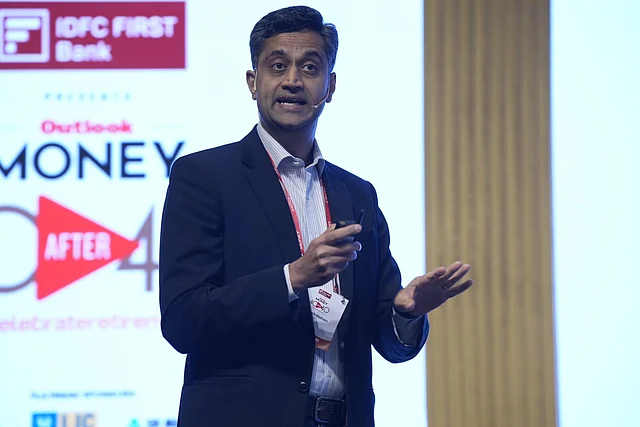
Ganesh Mohan on Controlling Emotions in Volatile MarketsAt the Outlook Money 40After40 Retirement Expo, Ganesh Mohan (MD, Bajaj Finserv Mutual Fund) shared critical strategies for navigating market swings without letting emotions derail your retirement:
Enforce Behavioral Discipline: Long-term success relies more on managing your own behavior than trying to predict market movements. Emotional decisions during market swings are the main reason retirement goals get derailed.
Conquer the “Sin of Pride”: Pride often manifests as an unwillingness to admit investment mistakes. Investors must overcome this bias, cut losses when necessary, and avoid rationalizing poor choices.
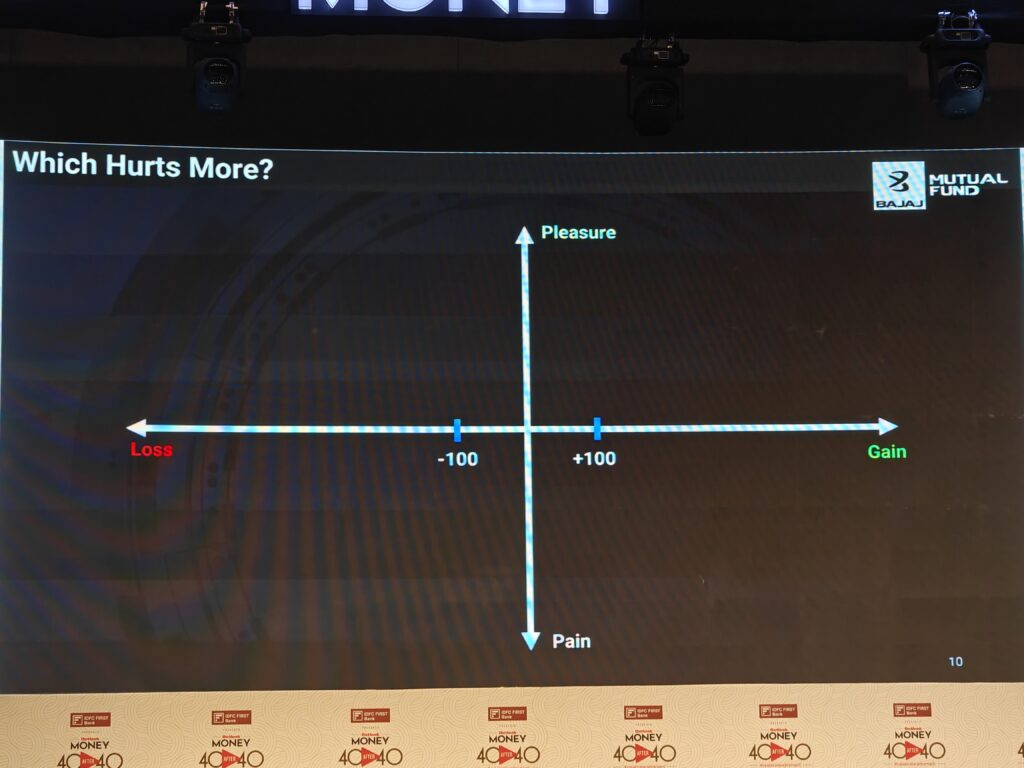
Ignore the Noise: Avoid impulsive actions driven by herd behavior, overconfidence, or short-term market anxiety.p
Reframe Volatility as Opportunity: Treat market corrections and drops in Net Asset Value (NAV) as entering opportunities to buy quality assets at lower prices.

At the Outlook Money 40After40 Retirement Expo, First Global’s Devina Mehra highlighted that many Indian women are underprepared for retirement due to a reluctance to take charge of their finances and cultural conditioning. Devina urged women to take active control of their financial portfolios, start investing early, and diversify globally to manage longevity risks and ensure financial independence.
Taking Control: Financial Independence vs. Outsourcing
Widespread outsourcing: Most Indian women—including senior civil servants, scientists, and corporate executives—do not manage their own money, choosing instead to leave financial decisions entirely to husbands, fathers, or brothers .
The “illusion of knowledge”: Women frequently step back under the assumption that men possess superior market knowledge, which Mehra notes is often untrue, as casual social discussion doesn’t equate to financial literacy
Hidden decision-making: Even when mutual fund portfolios or investment accounts are officially registered under a woman’s name, the actual choice to invest or redeem is frequently dictated by her husband
No true independence: True independence cannot exist without active financial independence, making it imperative for women to manage their own portfolios rather than letting it sit on a spouse’s plate
The root of retirement underpreparedness among Indian women lies in asymmetric childhood upbringings and restrictive family dynamics. Financial and money-related conversations are routinely integrated into the upbringing of sons, whereas daughters are rarely exposed to these matters until they enter the workforce in their 20s. This systemic gap breeds a persistent fear of judgment in mixed-gender environments, where women frequently hesitate to ask critical financial questions due to a fear of sounding unknowledgeable or facing ridicule from men. Furthermore, deeply ingrained social pressures compound this vulnerability by causing many women to willingly forfeit their rightful share of ancestral property to brothers out of shame or fear of fracturing family ties, stripping themselves of a vital financial cushion.
These domestic pressures are closely mirrored by structural penalties within the modern corporate world. When a woman takes a maternity break, she is often placed on a slower professional “mommy track,” causing her career to get derailed while peers pass her over for promotions. Outside the office, domestic structures remain inherently imbalanced, with societal and familial expectations disproportionately forcing women to compromise or entirely surrender their hard-earned careers to care for ill family members. This dual burden—experiencing a slower lifetime trajectory for professional earnings while simultaneously facing cultural pressure to stay out of household wealth management—creates a distinct disadvantage for women as they approach retirement.
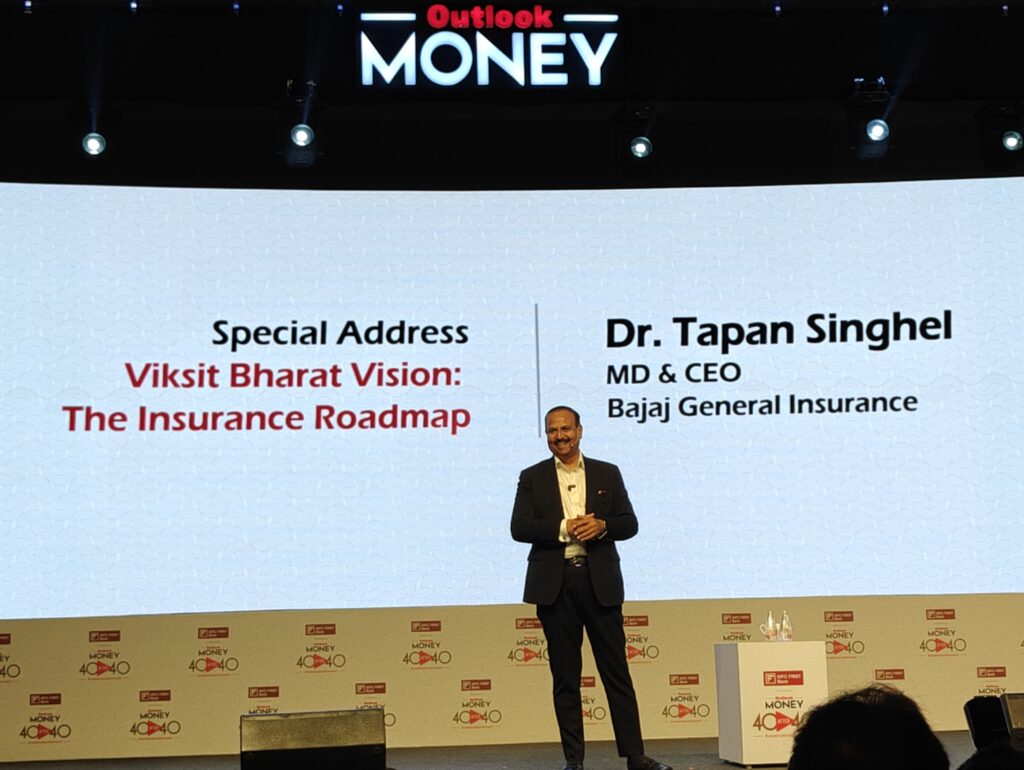
Dr. Tapan Singhel, MD & CEO of Bajaj Allianz General Insurance, outlined that addressing AI-driven job loss, high medical inflation, and enacting mandatory corporate health insurance are critical for achieving the Viksit Bharat 2047 goals. Key proposals to protect the economy include establishing a hospital regulator, utilizing state-pooled funds for disaster management, and creating new insurance products for AI-related risks.
Core Threats to “Viksit Bharat 2047″AI and Job Disruption:
Rapid advancements in AI threaten entry-level and white-collar jobs, risking potential civil unrest among India’s large youth population.
Severe Medical Inflation: Healthcare costs are rising at 14–15% annually—far outpacing general inflation and making healthcare unaffordable for many.
Demographic Pressures: A rapidly ageing population with longer lifespans is straining social systems, especially as traditional joint-family support structures disappear.
Climate Vulnerabilities: Extreme climate disruptions (floods, heatwaves) heavily impact gig workers, farmers, and MSMEs, bankrupting 25% of affected uninsured businesses.
Strategic Solutions & Policy Proposals
Universal Health Coverage: Ensuring 100% health insurance coverage across all socio-economic layers to eliminate health-related poverty.
Mandatory Employee Insurance: Implementing a mandatory employer-sponsored health cover model similar to the US to fix India’s “leaking bucket” GDP drain.
Hospital Regulatory Body: Creating a dedicated regulator to manage medical inflation by setting standard protocols, pricing norms, and common empanelment.
Mandatory MSME Protection: Requiring MSMEs to carry insurance against climate-driven losses like floods and cyclones to mitigate sudden bankruptcies.
State Disaster Pools: Allowing individual states to collect and manage pooled insurance funds for swift disaster management and public-good schemes.
Innovative Risk Products: Introducing specialized safety nets like surety bonds and AI-specific risk covers to shield workers from tech-driven unemployment.
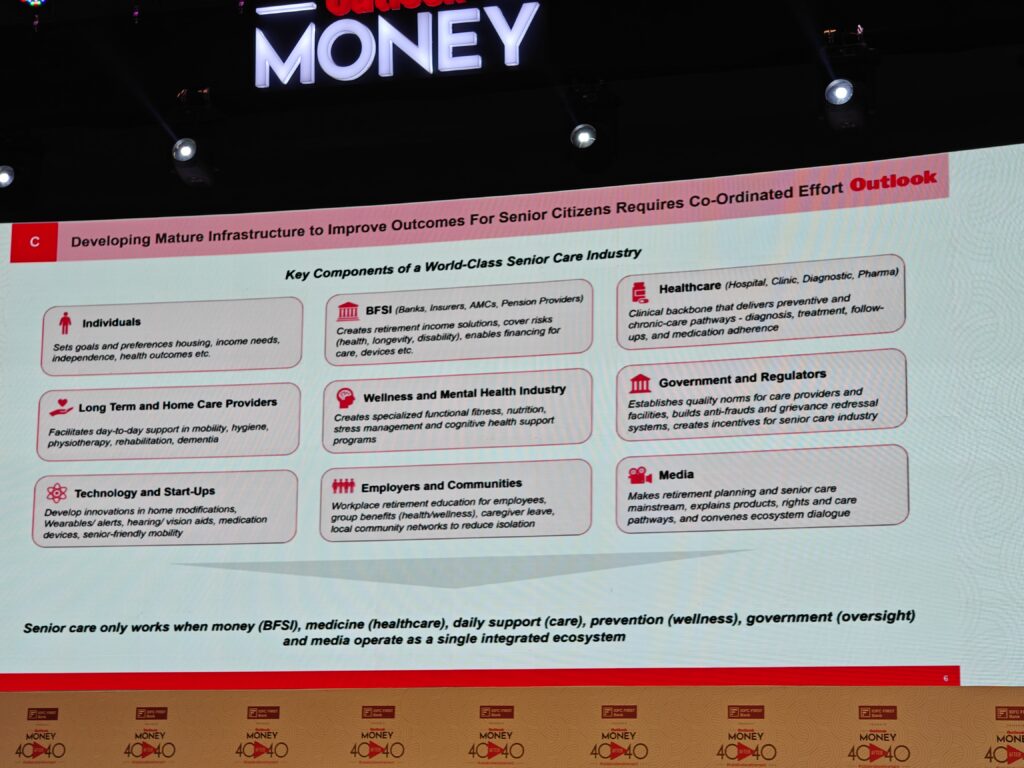
Senior Infrastructure: Building integrated ecosystems combining ambulances, hospitals, smart wearables, and early-warning systems to manage longevity risks.